
This series started with a simple observation: The metrics most organizations use to manage AI spend were built for a world where one request meant one model call, and that world is already gone for anyone running agents in production.
Everything since has been an attempt to build the vocabulary and the math this new world actually requires, cost per resolved task instead of cost per token, autonomy levels instead of a binary switch, a break-even point instead of an assumption that more autonomy is always cheaper, guardrails instead of monthly reports, tracing instead of tagging. Here's where that argument leads, and what's likely to matter most over the next few quarters.
The central thread across these concepts remains clear. Key financial capabilities, such as identifying break-even autonomy levels, establishing real-time guardrails, enforcing chargeback, and calculating honest ROI, depend entirely on per-task cost metrics that most enterprise teams cannot produce today.
Where Is Agentic Economics Headed From Here?
Looking ahead, several key developments will shape the market over upcoming quarters:
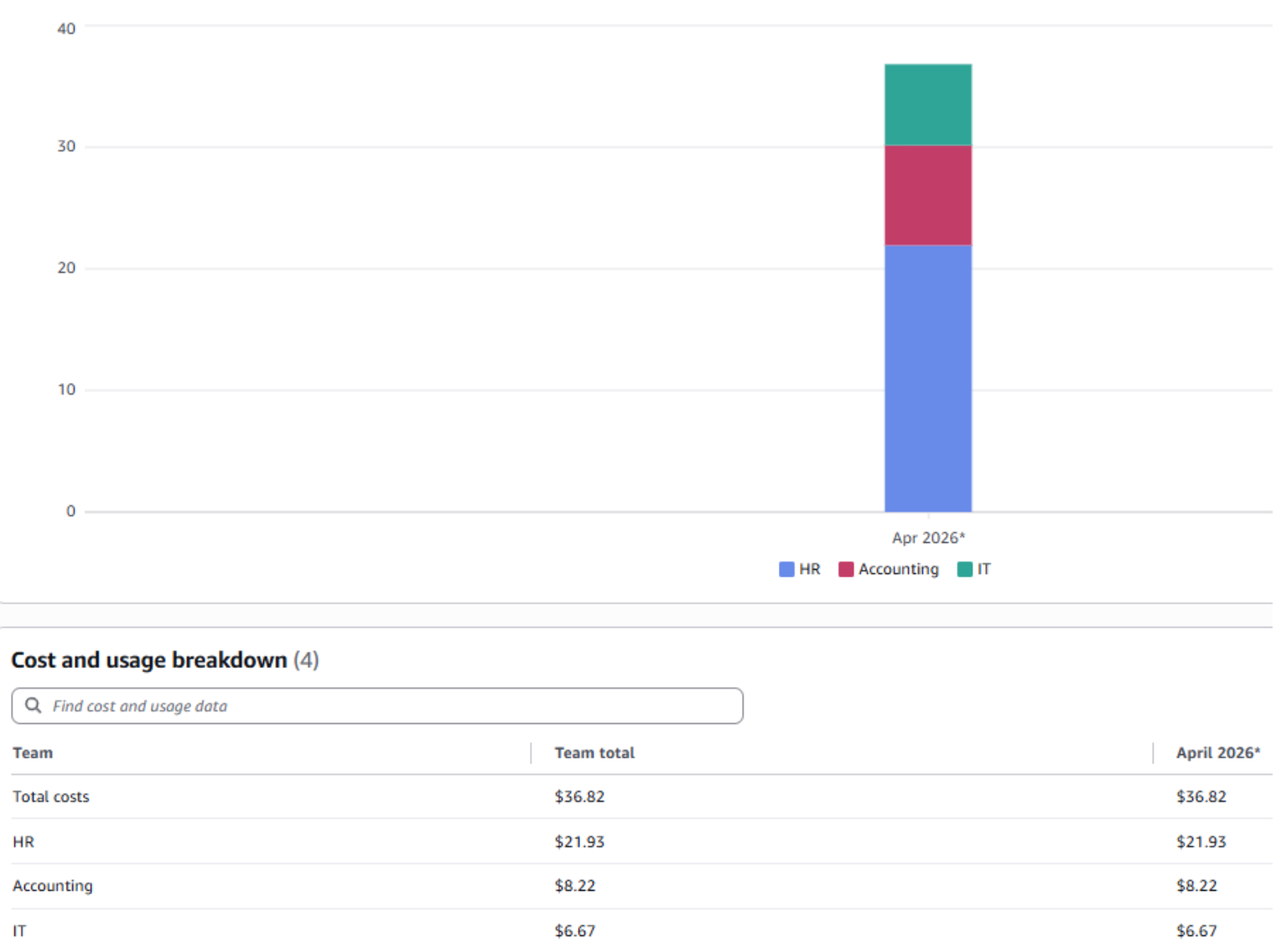
- Per-Task Cost Attribution as Standard Practice: Unit-level cost tracing will transition from an optional feature into essential infrastructure, mirroring how distributed tracing became necessary for microservices observability.
- Autonomy Level Disclosure in Procurement: Enterprise buyers will evaluate software vendors based on explicit autonomy levels, recognizing that higher operational autonomy directly impacts financial risk profiles.
- Inclusion of Failure Costs in ROI Calculations: Financial decision-makers will stop accepting simplistic ROI models that omit error recovery costs, demanding accurate accounting for failure rates and rework expenses.
- Accelerated Executive Oversight for AI Chargeback: AI spend allocation will reach board-level discussions far faster than cloud FinOps did, driven by rapid budget growth and unmanaged cost volatility.
These shifts mirror the historical progression of cloud financial management, compressed into a much shorter timeframe due to rapid market adoption and high operational stakes.
What Should You Do This Quarter?
Organizations should prioritize the foundational metric that powers all downstream optimizations. Engineering and finance teams must determine whether they can calculate the true, end-to-end per-task cost for their highest-volume or highest-risk agentic workflow. If that capability does not exist, building request tracing infrastructure takes priority over model routing tweaks or prompt compression. Establishing accurate cost visibility enables teams to systematically implement break-even analyses, real-time guardrails, and fair chargeback models.
The Takeaway
Agentic economics is still an emerging discipline, but it isn't undefined. The organizations that get ahead of it won't be the ones with the cheapest model contract, they'll be the ones that can answer, for any given workflow, what it actually costs, what it costs when it's wrong, and where its real break-even point sits on the autonomy curve. That's a measurement problem before it's an optimization problem, and it's worth treating it that way.